


THE NEXUS REPORT | 25 NOVEMBER 2026
NATO has authorised the deployment of an Airborne Warning and Control System (AWACS) surveillance aircraft to Poland following the incursion of three Russian Kh-101 cruise missiles into Polish airspace, in a move aimed at strengthening the alliance's eastern defences.
The decision was confirmed following an extraordinary meeting of the North Atlantic Council in Brussels on Monday, November 23, convened at Poland's request after the missiles entered the country's airspace during a large-scale Russian attack on neighbouring Ukraine on November 20.
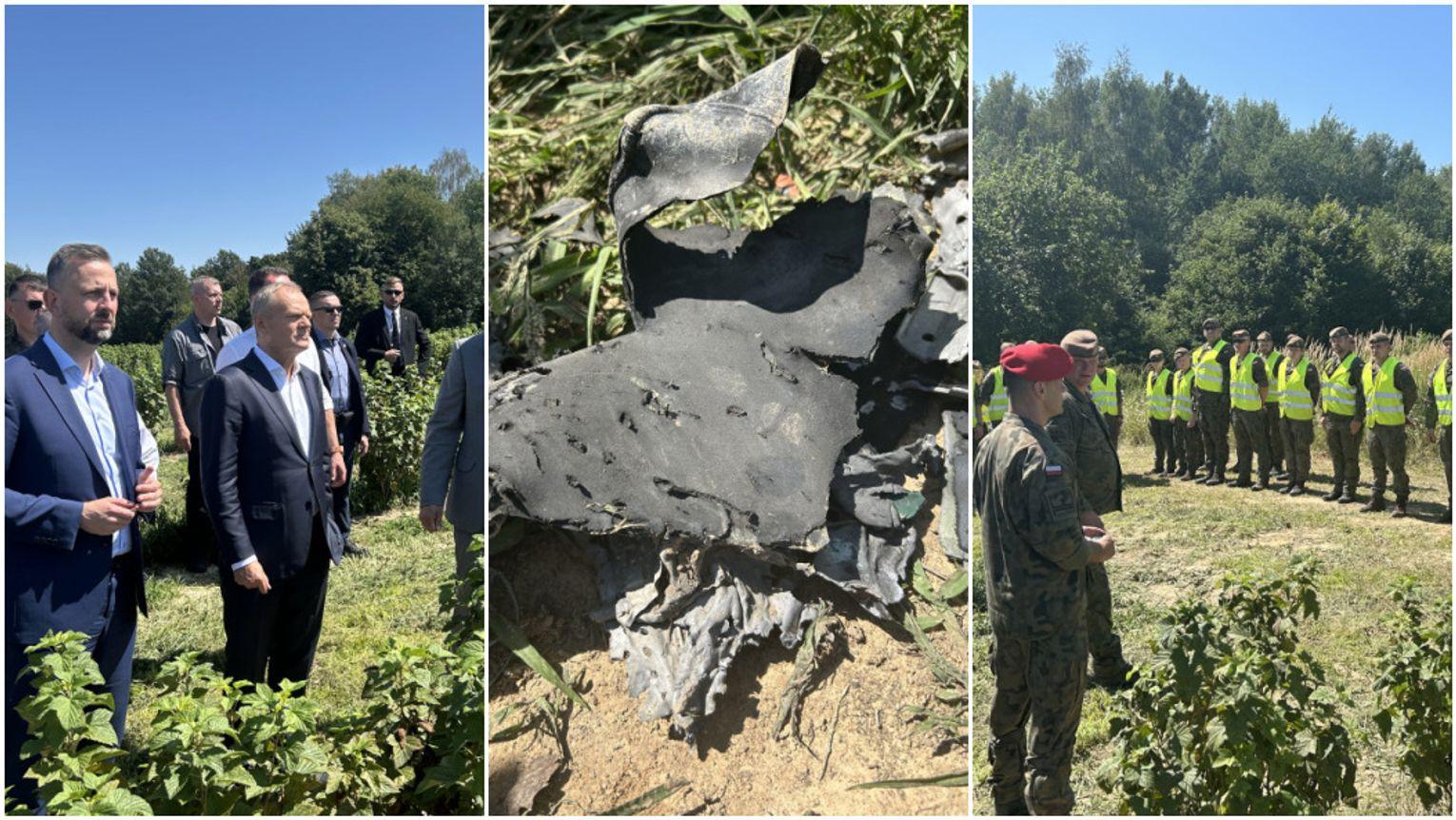
Polish prosecutors subsequently confirmed that all three objects recovered at locations in the Lublin and Podkarpackie regions were Russian-made Kh-101 cruise missiles.
According to NATO, Supreme Allied Commander Europe General Alexus Grynkewich authorised the forward deployment of an AWACS aircraft. The alliance is also considering additional military capabilities as it reviews its deterrence and defence posture in Poland and elsewhere along its eastern flank.
Polish Deputy Defence Minister Paweł Zalewski welcomed the decision, saying the aircraft would improve Poland's operational awareness and strengthen its ability to respond to potential aerial threats.
Polish Defence Minister Władysław Kosiniak-Kamysz also confirmed that allied early-warning aircraft were already contributing to the protection of Polish airspace, complementing ground-based air-defence systems, Polish F-16 fighter jets and allied aircraft.
The development comes amid heightened security concerns following another reported violation of Polish airspace involving a suspected Russian drone on November 23.
Warsaw has called for additional allied reconnaissance and air-defence capabilities, while NATO has reiterated its solidarity with Poland and its commitment to protecting the alliance's territory.
The AWACS aircraft will provide airborne radar surveillance, helping allied forces detect, identify and track potential aerial threats over a wider area. NATO has not publicly specified the aircraft's precise operating location or deployment duration.
The latest measures underline growing concerns among NATO members about the risks of Russia's war against Ukraine extending beyond Ukrainian territory.


Comments (0)
No comments yet. Be the first to share your thoughts!